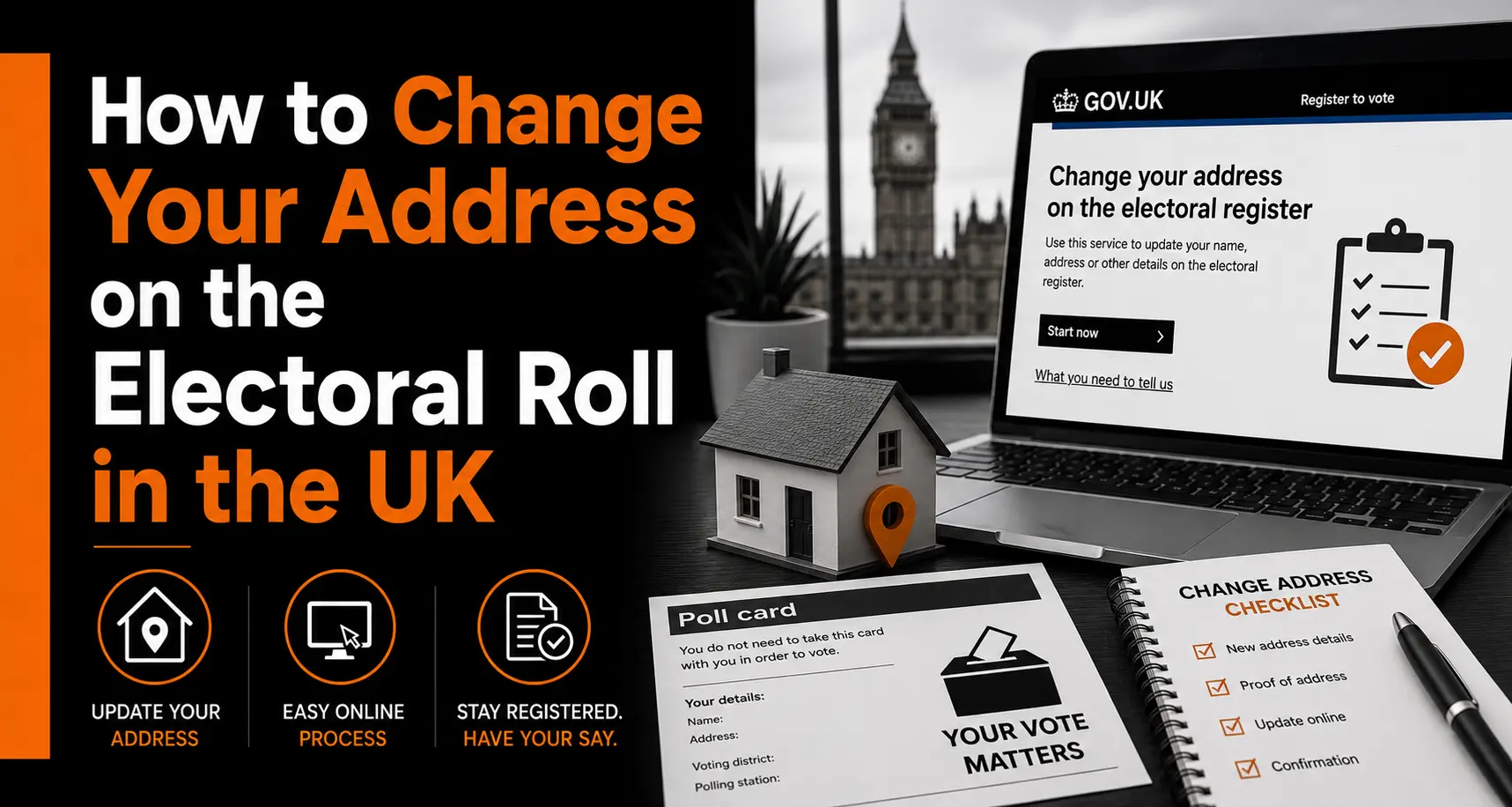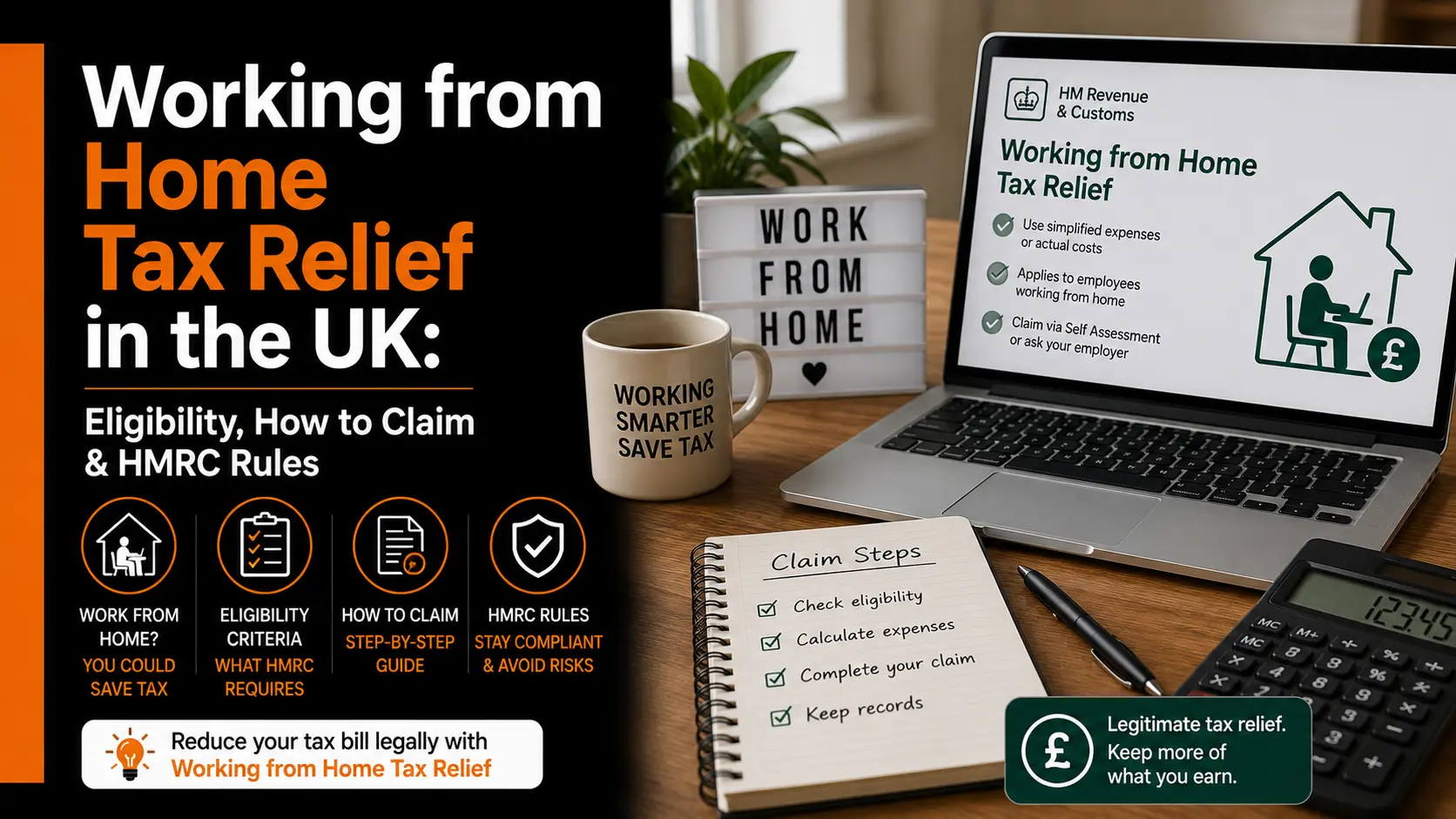
James searched “working from home tax relief” back in June, ready to claim like he had every year since 2021. He hit a wall. HMRC’s page said something had changed.
He wasn’t imagining it. Working from home tax relief for employees was scrapped by HMRC from 6 April 2026, and a lot of people still don’t know it happened. This guide explains exactly what changed, who’s still affected, and what options remain if you’re an employee, self-employed, or a company director.
We’ll cover eligibility under the old and new rules, backdating options, self-employed claims, and the mistakes that trip people up.
What Is Working from Home Tax Relief?
It’s tax relief for the extra household costs that come from doing your job at home, higher heating bills, more electricity use, and business calls made from your own phone. The logic behind HMRC work from home tax relief was simple: if your employer required you to work from home, HMRC offset the costs you were personally covering.
This differs from an employer homeworking allowance, and mixing the two up causes confusion. Tax relief was a claim made directly to HMRC that the route is now closed. An employer allowance is a tax-free payment from your employer, and it still exists under its own separate rules.
Can You Still Claim Tax Relief for Working from Home?
For most employees, no. From 6 April 2026, employees can no longer claim this relief directly from HMRC, whether homeworking is voluntary or required by your employer.no employees can claim working from home tax relief directly from HMRC, regardless of whether working from home is a personal choice or a contractual requirement. HMRC made the change after finding more than half of claims reviewed didn’t actually meet the eligibility rules. HMRC stated that there were high levels of non-compliance from employees claiming the relief as over half of the claims they reviewed were found to be ineligible.
There’s one exception: you can still backdate a claim for earlier tax years, back to 2021/22, if you qualified under the old rules at the time.
Who Was Eligible Before the Change?
Under the old rules, your employer had to genuinely require you to work from home. Choosing to work remotely for convenience never qualified on its own; this distinction mattered enormously, and HMRC checked it closely. “My employer lets me work from home” was never enough. “My employer requires it, and there’s no suitable office” was the bar.
Fully remote employees, contractually required to work from home with no office alternative, sat clearly within the old eligible group. If your employer genuinely had no office space for you, that also supported a claim. Hybrid workers rarely qualified, even under the old rules splitting time between home and office usually meant you had a suitable workplace available, which knocked out eligibility.
Old eligibility checklist (for backdated claims only):
- Your employer required homeworking, not just permitted it
- No suitable office was genuinely available
- You weren’t already reimbursed by your employer for the same costs
- The tax year falls between 2021/22 and 2025/26
Who Cannot Claim, Even Retrospectively?
Can I Claim Tax Relief for Working from Home If I Chose to Work Remotely?
No, and this was true even before 2026. Choosing to work from home, even full-time, never met HMRC’s bar this still applies to any backdated claim now. Double-dipping wasn’t allowed either: if your employer already reimbursed your costs, you couldn’t claim relief on top.
Most hybrid workers were never eligible, since they usually had a suitable workplace available. Commute-avoidance, personal preference, or a temporary closure with an alternative office none of these ever met the threshold.
What Expenses Could You Claim?
The standard flat rate was £6 a week, no receipts needed. HMRC’s flat rate is £6 per week (£312 per year) with no receipts required. Some claimed actual costs instead, with evidence tied directly to working from home.
Extra heating and electricity formed the core of most claims. Business phone calls counted too. Broadband was trickier; an existing personal contract usually wasn’t accepted in full. Rent, mortgage payments, and home improvements never qualified.
| Expense | Could Be Claimed? |
| Extra heating and electricity | Yes |
| Business phone calls | Yes |
| Full broadband contract | Generally no |
| Rent or mortgage | No |
| Home office furniture | No (separate rules apply) |
Employees vs Self-Employed Workers
Can Self-Employed Claim Working from Home Tax Relief?
Yes, entirely unaffected. The 2026 change hit PAYE employees only. For working from home tax relief self-employed workers, you can still claim home-working costs through Self Assessment, using simplified expenses based on hours worked or actual costs. Self-employed workers can also use simplified expenses based on monthly hours.
Company Directors
Company directors can still receive the flat rate tax relief working from home allowance too, but it comes through the company as an employer payment, not as a personal HMRC claim HMRC’s flat rate for working from home is £6 per week (£312 per year), claimable without receipts by employees and limited company directors since 6 April 2020. Self-employed expense rules sit under a completely separate part of tax law from employee relief, which is exactly why this specific 2026 change didn’t touch them at all.
Can Teachers Claim Tax Relief for Working from Home?
Not as a current-year HMRC claim teachers follow the same PAYE rules as everyone else. Marking or planning at home never qualified on its own, since school remained the genuine workplace. A backdated claim may still be worth checking for periods when teachers were required to work fully from home, such as past school closures.
How to Claim Tax Relief for Working from Home? (Backdated Years Only)
Here’s exactly how the process works for a past tax year. Gather these before starting:
- National Insurance number
- Employer details
- Employment dates covering the tax year you’re claiming
- Evidence your employer required homeworking, where available
Step-by-step process:
- Confirm the tax year falls within 2021/22 to 2025/26
- Check you met the old eligibility rules at the time
- Complete form P87, online or by post
- Submit, specifying the correct historic tax year
- Wait for HMRC’s review
If your total employment expenses for a year exceeded £2,500, you’d need to claim through Self Assessment rather than the simpler P87 route. Employees with expenses under £2,500 per tax year can claim online using HMRC form P87 or through the GOV.UK portal by adjusting their tax code. If expenses exceed £2,500, you must file a Self Assessment tax return.
You can backdate a claim for up to four previous tax years from when you make it, so long as you genuinely qualify under the rules in place at the time. A tax rebate company is rarely necessary here claiming directly through HMRC costs nothing, while a rebate company typically takes a cut for doing the same paperwork.
How Do I Apply for Tax Relief for Working from Home Now?
You apply the same way as always, just restricted to historic tax years rather than the current one. Head to GOV.UK, search for form P87, and select the specific past tax year you’re claiming for rather than the current one. The form itself hasn’t changed, only which years it can be used for.
What Happens After You Submit Your Claim?
HMRC checks your details against the eligibility rules that applied for that specific historic tax year. Processing generally takes several weeks. Approved backdated years usually arrive as a lump sum, either by cheque or bank transfer, rather than a tax code change, since the relevant tax year has already closed.
Understanding the Latest HMRC Rules
HMRC reviewed a large sample of claims and found over half didn’t genuinely meet the eligibility criteria. That non-compliance rate drove the decision to remove the route entirely rather than tighten it further.
If you want to check the gov tax relief working from home rules yourself, GOV.UK’s guidance now reflects the 2026 abolition clearly, along with the backdating window for earlier years. As things stand, there simply isn’t a current-year eligibility path for employees. The only door still open is backdating a claim for a year before April 2026. If your employer wants to support your homeworking costs going forward, that now needs to happen through their own reimbursement scheme, not an HMRC claim you make yourself.
Working from Home Tax Relief vs Other Homeworking Support
| Option | Best For | Advantages | Limitations |
| Backdated HMRC claim | Employees who qualified 2021/22–2025/26 | Free, direct from HMRC | Only covers past years |
| Employer £6/week allowance | Current employees | Ongoing, tax-free | Depends on employer offering it |
| Self Assessment (self-employed) | Self-employed workers | Ongoing, flexible | Not available to PAYE employees |
| Tax rebate company | Backdated claims, hands-off preference | Handles paperwork | Charges a fee |
For most employees now, the realistic options are a backdated claim if eligible, or asking your employer to introduce the £6 weekly allowance going forward.
Common Problems and How to Solve Them?
A rejected backdated claim usually means the tax year, or your circumstances at the time, didn’t actually meet the old eligibility rules. Missing evidence slows things down, so gather anything showing your employer required homeworking before applying.
If your employer already reimbursed your costs for that year, you can’t also claim from HMRC for the same expense. An incorrect tax code needs a direct call to HMRC to fix, and delays are common with backdated claims specifically, since they require manual historic review.
Common Misconceptions About Working from Home Tax Relief
Not everyone working remotely ever qualified, even before 2026 the “required, no suitable workplace” test was always strict, and hybrid workers rarely met that bar. Broadband was never automatically deductible in full, and rent or mortgage payments were never claimable, regardless of home office size. Employer reimbursement and HMRC tax relief were always two different things, and self-employed workers follow entirely separate rules from employees.
Common Mistakes to Avoid
- Assuming you can still claim for the current tax year as an employee
- Confusing employer reimbursement with HMRC relief
- Claiming non-qualifying expenses like rent or full broadband bills
- Not keeping evidence for a backdated claim
- Missing the four-year backdating deadline
- Paying unnecessary fees to a rebate company for a simple backdated claim
- Mixing up employee and self-employed rules
Final Thoughts
The door on claiming working from home tax relief as an ongoing employee benefit has closed. What hasn’t closed is your chance to backdate a claim for earlier years, if you qualified at the time.
Check your old eligibility honestly, and claim before the four-year window shuts on each historic year. Seenews tracks HMRC changes like this as they happen, so you’re never left relying on outdated guidance.