Priya trained as a nurse in India. She had fifteen years of work behind her. She had a stack of certificates too.
None of that got her onto the UK register. Not on its own. She had to prove it. UK bodies call this a competence assessment programme.
Maybe you’re a nurse, midwife, or health worker facing this same step. You’re not alone. The process trips up a lot of skilled people. Mostly, it’s because nobody explains it well.
This guide covers who needs it. It covers costs, timelines, and how to prepare. It covers what happens if you pass. It covers what happens if you don’t.
What Is a Competence Assessment Programme?
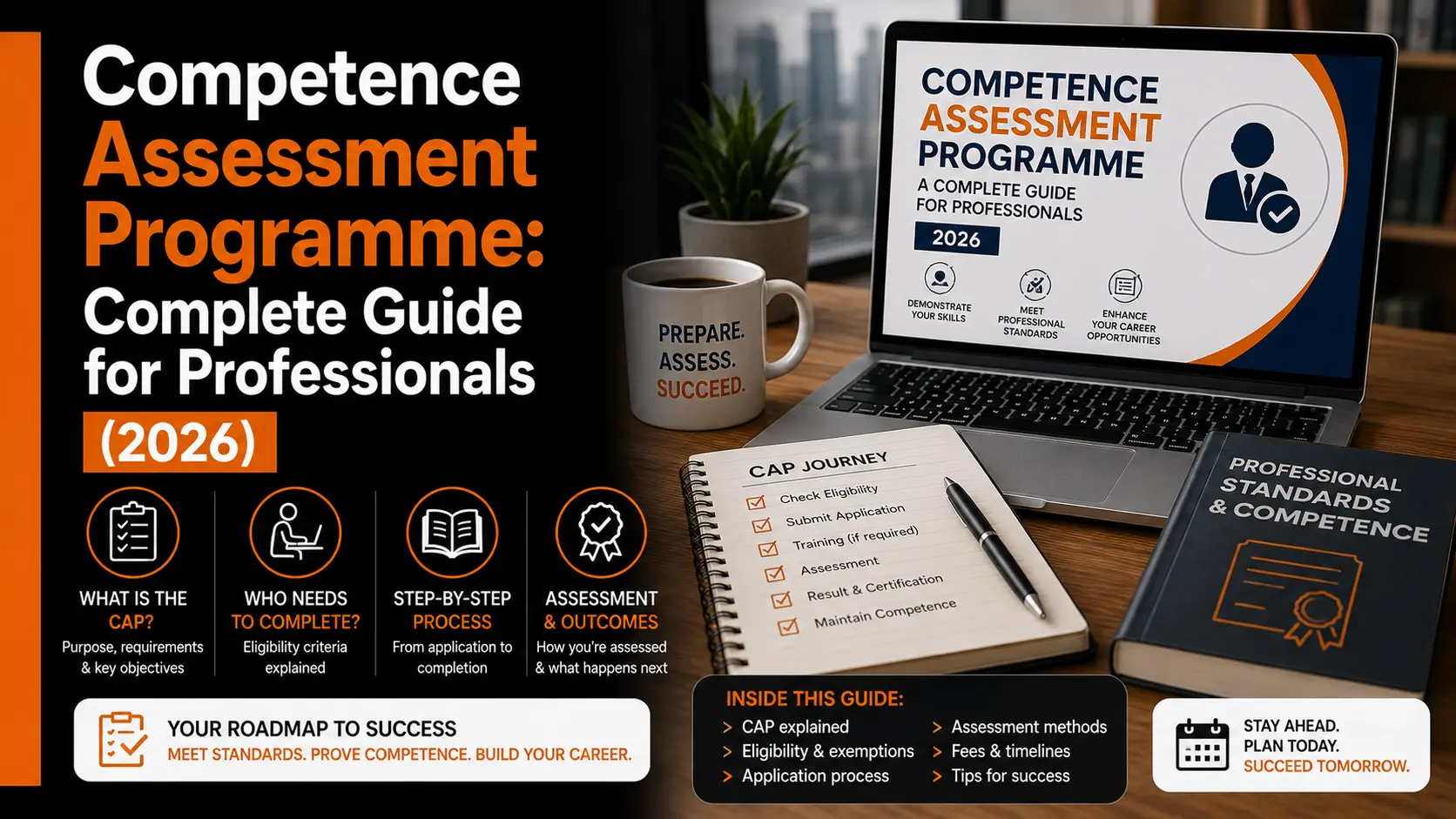
It’s a formal check. UK bodies use it to test your skills. They want to know if you match UK work standards. You must pass this before you join the register.
Why does this exist? Training differs a lot between countries. A nursing course abroad may teach different things. It may use different paperwork rules too.
The test looks at real skill, not just papers. It checks if you can work safely here. Groups like the Nursing and Midwifery Council (NMC) run these checks. Other health bodies run similar ones. The goal is simple: patient safety.
Who Needs a Competence Assessment Programme?
Most people trained outside the UK need this. This applies if your country has no deal with the UK. People returning to work after time away often need it too.
Some people get sent for a check by their own regulator. This can follow a concern about their work. Years of skill abroad don’t skip this step either. The UK still wants its own check done.
Some exemptions do exist. These usually link to a deal between countries. Fewer people qualify for this than you’d think.
Quick eligibility checklist:
- Trained outside the UK, with no automatic deal
- Hold a real, checkable work certificate
- Meet the English language rules
- Haven’t already got an exemption
Which Jobs Require It?
Nurses and midwives use the NMC’s route. This mixes a written test with a hands-on exam. Health workers like physios use a similar path. They go through their own regulator instead.
Social care staff face similar rules too. These get shaped to fit their job type. Every regulated job has its own version. Cost, time, and steps shift by regulator.
What Is the Competence Assessment Process?
Most competence assessment process steps follow the same shape. Details shift by job, though.
First comes your application. Staff check your papers. Next comes a written test. This usually means multiple-choice questions on a screen.
Pass that, and a hands-on test follows. This checks real skills through mock scenes. Some paths add a period of watched practice too. For nurses, this often means two tests. First a written one, then a hands-on one. Both need a pass, within a set time frame.

What Gets Tested in the Programme?
Testers look past pure book facts. They test real skill through mock scenes, not just questions.
How you act matters too. This means how you talk to others under stress. Safety gets checked at every step. A “correct” move done unsafely still fails. Ethics get tested too how well your choices match UK rules.
What Documents Do You Need?
Your competence assessment documents usually include a certified copy of your certificate. You’ll need ID proof too. And proof from your home regulator that you’re registered there.
English proof matters a lot. Most bodies want a set score, like IELTS or OET. You need a set score in each part, not just one overall score. Proof of your past work rounds out the file.
How to Apply:
- Check you qualify, using your regulator’s own tool
- Gather your certified papers and English proof
- Send your competence assessment application with the fee
- Wait for a decision on your eligibility
- Move on to the tests once approved
Most people can start this from abroad. This saves time once you land in the UK.
How Long Does It Take?
The competence assessment timeline shifts a lot. Most nurses see the full path, start to finish, take 12 to 18 months.the full process typically takes 12–18 months.
| Stage | Typical Time |
| Paper check | 8–12 weeks |
| English test result | 4–8 weeks |
| Written test | After approval |
| Hands-on test | After you land, timing varies |
| Final decision | A few weeks after a pass |
Delays often hit around paper checks and visas. Build in spare time. It helps a lot.
What Does It Cost?
For nurses, the full competence assessment cost sits near £1,170; the total official cost is approximately £1,170. This doesn’t count resits.
| Cost | Rough Fee |
| Paper check fee | £140 |
| Written test | £83 per go |
| Hands-on test | Varies by centre |
| Sign-up fee | £153 |
| Travel and stay | Varies a lot |
Some jobs come with help from an employer. This is common in high-need health roles. Ask early. Don’t assume you’ll pay it all yourself.
How Do You Prepare?
Good competence assessment preparation starts with the real rules. Go straight to your regulator’s own guide. Skip informal tips from other people.
Practise real work scenes. This beats rote memory work, since tests check real thinking. Talk practice helps too, most of all if English isn’t your first language. Testers watch how you explain your choices out loud.
Mock tests build real comfort with the format. Run these through your training group, or on your own.
Preparation checklist:
- Read your regulator’s own test rules in full
- Practise real work scenes
- Say your reasoning out loud, as practice
- Do at least one mock test
- Check what to bring on test day
What Happens If You Pass?
Once you pass, your regulator signs you up. You get a registration number. Then you can start work in your role, with full duties.
Ongoing training, called CPD, becomes part of your role too. This holds true for UK-trained staff as well.
What Happens If You Fail?
Failing usually comes from a few things. Not knowing UK-specific rules is common. So is stress under pressure, or just too little prep time. Most bodies allow a rest, though only so many times.
A formal competence assessment appeal route exists too. This applies if you feel the test was unfair. Appeals look at the process, not the score itself. More prep between tries helps a lot, most of all on your weak spots.

Competence Assessment Programme vs Other Routes
| Route | Best For | Key Difference |
| Competence Assessment Programme | Foreign-trained staff | Mixes a written and hands-on test |
| Adaptation Programme | Some regulated jobs | Set placement-based learning |
| Supervised Practice | Some returning staff | Longer real-world watch period |
| Return-to-Practice Programme | Lapsed UK staff | Refresher-based, fewer tests |
Which one fits you depends on your regulator and past work. Check with them first. Don’t guess.
What English Score Do You Need?
Most bodies want a set score, not one overall pass. IELTS is common. So is OET, built just for health staff.
Each skill gets its own mark. Speaking, listening, reading, and writing all count on their own. A high overall score doesn’t save you if one skill falls short. Miss one part, and the whole test fails, even with strong marks elsewhere.
Retakes cost money and time. Study each weak skill on its own, not just English as one block. Speaking often trips people up most, since it happens live, under real pressure.
What About Visa and Right-to-Work Rules?
Getting your test passed is only half the job. You still need the right to work in the UK. Most health staff use a sponsored work visa route.
Your employer plays a big role here. They need to sponsor your visa before you can start work. This step often runs at the same time as your assessment, not after it.
Start your visa steps early. Don’t wait for your test result first. Running both paths side by side saves months in the end.
Common Mistakes to Avoid
Applying with no eligibility check wastes time and money. Missing papers cause most delays. Check your certs twice before you send them.
Weak talk practice trips up strong candidates. Skipping the real rules, in favour of forum tips, leads people astray. Assuming past skill alone is enough is a common trap. Picking the wrong route can cost months.
What Evidence Do You Need?
Beyond your papers, most bodies want real competence assessment evidence of your past work. A list of job titles isn’t enough. You’ll need real references from past bosses. These should show what you did, and for how long.
A clear file helps a lot here. Map your past work to UK skill needs directly. Vague notes slow things down, since testers need clear facts.
What Is the Pass Rate?
Pass rates shift by job, and by test stage. Bodies don’t always share one clear number. Written tests tend to see higher first-try passes than hands-on ones. People often don’t expect how different the UK’s tests feel.
Skip the hunt for one score. Focus on what helps you pass instead. Know UK-specific scenes well. Talk clearly under stress. Do real mock runs first.
Common Problems and Fixes
Delays often trace to missing or wrong papers. Check twice before you send anything. English score issues catch people out too, since most bodies want a set score in each skill, not just one average.
Visa delays sit outside your hands. Start that early, to dodge a hold-up later. Employers help gaps get fixed by asking early and direct. Test-day nerves are common too, and mock runs help more than words of comfort do. Slow results just need a calm follow-up with your regulator.
Common Wrong Ideas About the Programme
A pass doesn’t mean an instant sign-up. Health and character checks still need to be cleared too. “Only staff from abroad face this” is a myth. UK staff coming back can face the same steps.
Years of skill abroad don’t skip the exemption step on their own. Each job’s path differs to nursing, health work, and social care all vary. A pass isn’t just about book facts, since how you act counts a lot. And a boss can’t skip these rules for you, no matter how much they need staff.
A Real Example: One Path Through the Process
Think of a physio trained in South Africa, headed for the NHS. Her paper check took ten weeks. The hold-up? One missing certified translation.
Her written test went fine on the first try. Her first hands-on test fell short, though mostly on talking through her choices under time stress. She did more mock runs, focused on talking clearly. Her resignation came three months later. Full time, start to finish: just over fourteen months. That’s normal for her line of work.
Final Thoughts
Learning the professional competence assessment path well, before you start, saves real time and stress. Check your own regulator’s rules directly. Competence assessment standards and competence assessment guidance shift now and then, and they differ by job.
Seenews tracks UK work sign-up changes as they land. Good prep, real hopes, and close attention to the rules all help. They boost your shot at a smooth path to UK sign-up.